

How Scarcity, Survival, and Secret Cellars Kept Hungarian Wine Alive
Budapest has always had two faces: the one tourists photograph… and the one locals whisper about. And during the 1950–90s, if you wanted real wine, not the diluted, state-issued stuff, you didn’t walk into a shop. You walked into a living, breathing rumor.
A cousin’s friend.
A neighbor’s uncle.
A door that only opened if you knocked twice and waited.
Wine wasn’t bought on shelves, but from secret doors and alleys.
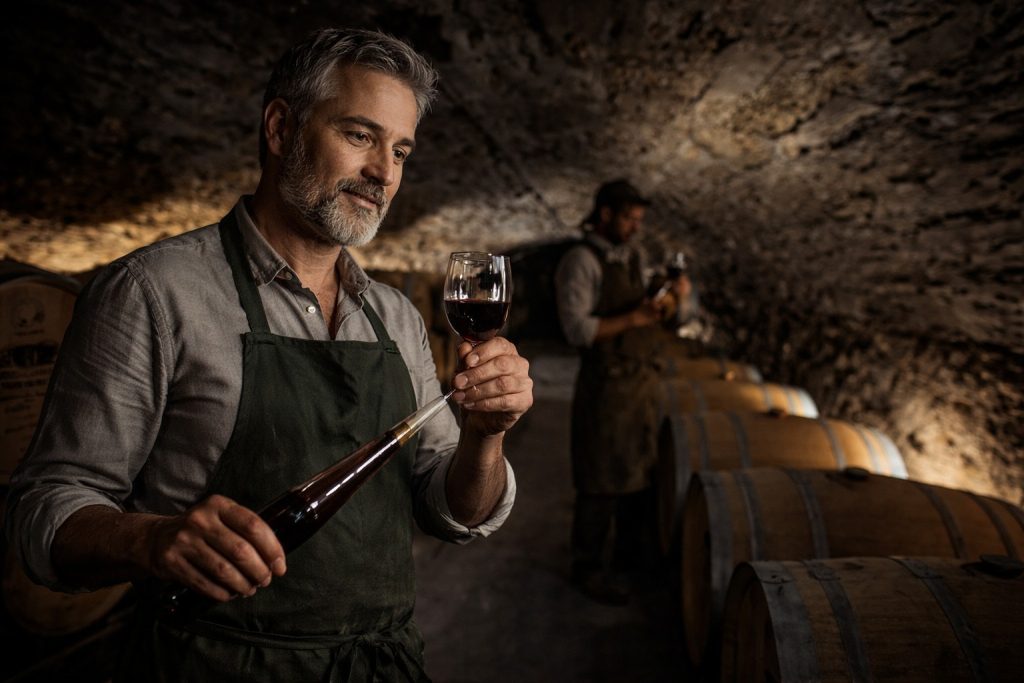
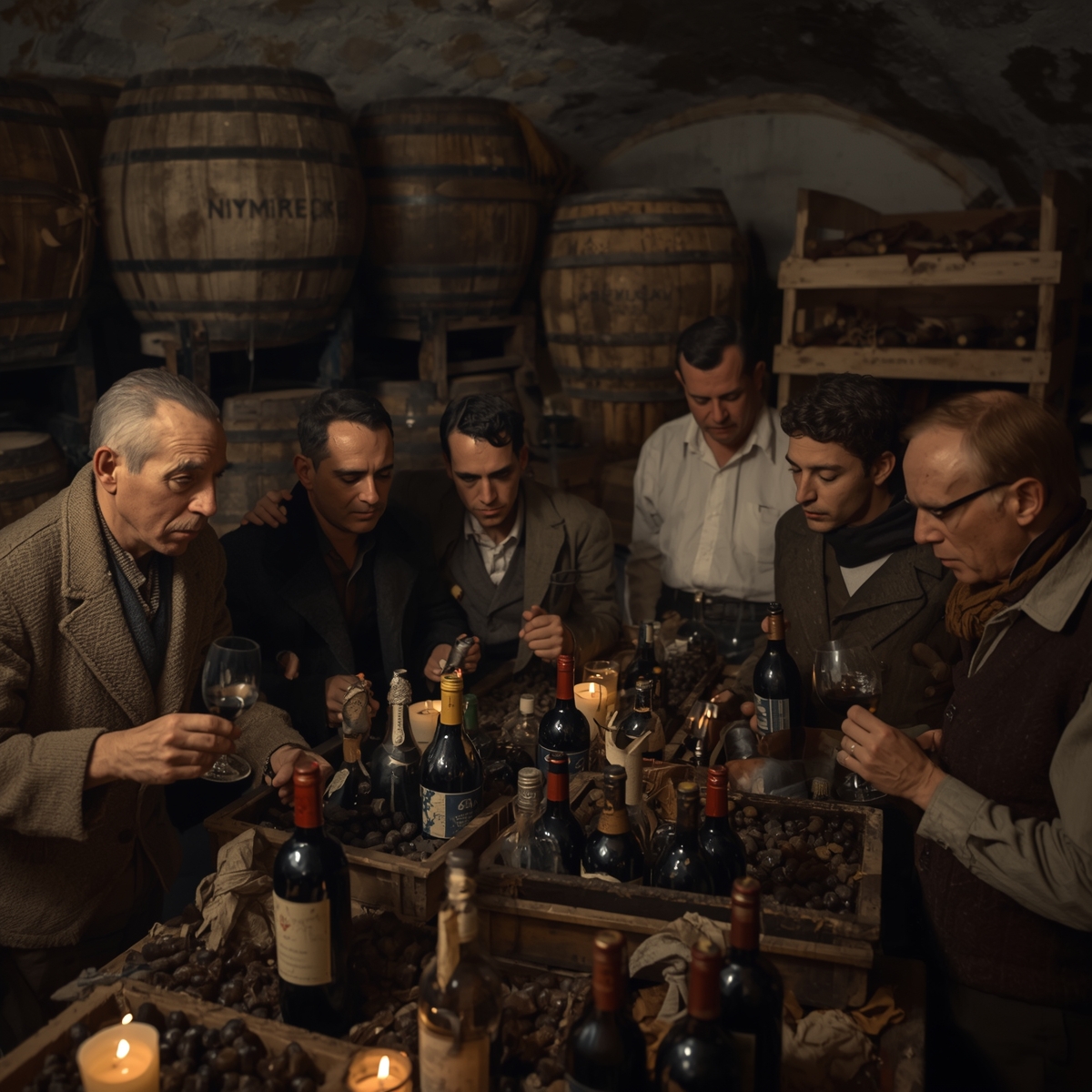
And that’s where the real story of Hungarian winemaking survived, not in government factories, but in cellars lit by a single bulb and guarded by people who believed wine was culture, not a commodity.
Why a Black Market for Wine Even Exist?
Hungary in the 1950s–90s lived under state control of everything: production, distribution, pricing, even taste. Wine was no exception.
The state pushed mass production, high volume, and low character. The wines were standardized, diluted, and stripped of identity. Regions that once crafted nuanced, centuries-old styles were forced into uniformity.
But Hungarians? We’ve never been great at obeying rules that insult heritage.
Farmers kept a little extra aside.
Families bottled quietly at night.
Entire micro-communities formed around the one simple truth:
If the government couldn’t give good wine, people would make their own, with or without permission.
The Hidden Economy Beneath the City
Budapest’s black market wasn’t a marketplace; it was an ecosystem.
1. The “Tokaji Carriers”
Tokaj producers in villages carried their wines to the capital in unmarked containers, sometimes disguised as milk jugs. The best stuff wasn’t advertised, it was requested.
2. Apartment Tastings
You didn’t buy blindly. You tasted in someone’s kitchen.
If the host poured from a bottle without a label, you knew you were in the right place.
3. The Cellar Networks
Basements became vaults. People built secret compartments behind coal stacks. Some homes even had dual cellars: one to show the authorities, and one to protect the wine worth drinking.
4. The Payment System
Cash wasn’t always the currency. Bartering was normal. A bag of flour for a liter of real Kadarka. A week’s worth of meat for a dozen bottles of home-aged Chardonnay. Wine wasn’t a drink — it was a life asset.
The Culture Behind the Crime
To call it “crime” is technically accurate but culturally inaccurate. Wine in Hungary wasn’t a luxury. It was identity. It was Sunday lunch. It was “happy name day,” weddings, funerals, baptisms, healing, storytelling, tradition, and memory.
State control attempted to suppress it, but the black market kept it alive. And it wasn’t greed driving it. It was pride, resistance, and unspoken agreement:
If centuries of winemaking shaped us, no government would un-shape us.
The Wines Themselves: What Survived the Underground
Ironically, the wines born in the shadows were often far better than the legal ones. And some varietals thrived under secrecy more than others:
- Kadarka — beloved, earthy, and nearly wiped out by the state’s mass-production demands.
- Hárslevelű — delicate, aromatic, and too “inconsistent” for Communist efficiency.
- Chardonnay — yes, it lived underground too, preserved by families who refused to let the grape lose its character.
- Furmint — smuggled into cities like contraband gold.
The People Who Risked Everything for Real Wine
They weren’t gangsters, but regular people. The farmers, teachers, craftsmen, young couples, old grandfathers with stained hands, anyone who understood that wine is culture, not bureaucracy. If you asked them why they did it, they’d shrug and say something simple like, “Because good wine should exist.” And that’s all the motive they needed.
The 1990s: When the Lights Finally Turned Back On
When the system collapsed, something unexpected happened: The cellars opened.
Dust-covered barrels rolled into daylight. Recipes written in fading ink were revived. Families who had spent 40 years whispering about their wines finally spoke aloud. The “illicit” bottles weren’t just wine anymore; they became the foundation of Hungary’s modern renaissance in winemaking.
Today, estates like Gluck stand on the shoulders of that era: the stubborn protectors, the quiet brewers, the underground custodians of taste.
Why This Story Still Matters Today
Because every bottle of Hungarian wine, including ours, contains more than flavor. It contains defiance. Resourcefulness. Cultural memory. The bravery of ordinary people who believed wine was worth protecting.
When you open a bottle today, you’re not just opening a drink. You’re opening a chapter of a story that survived in locked basements and whispered networks for nearly half a century. And in a way, you’re tasting freedom itself.